Jamaican Food Comfort Dishes for Cozy Meals
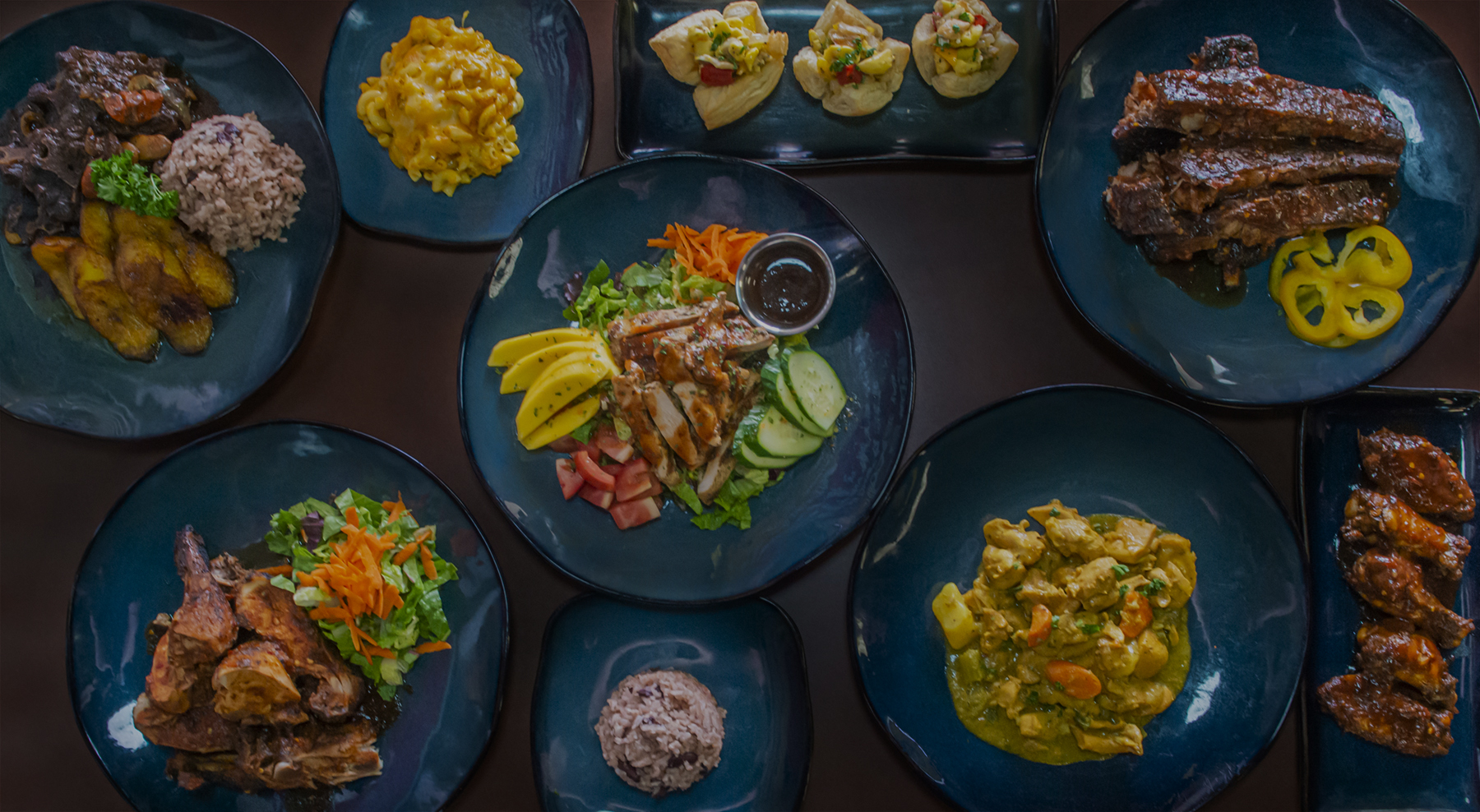
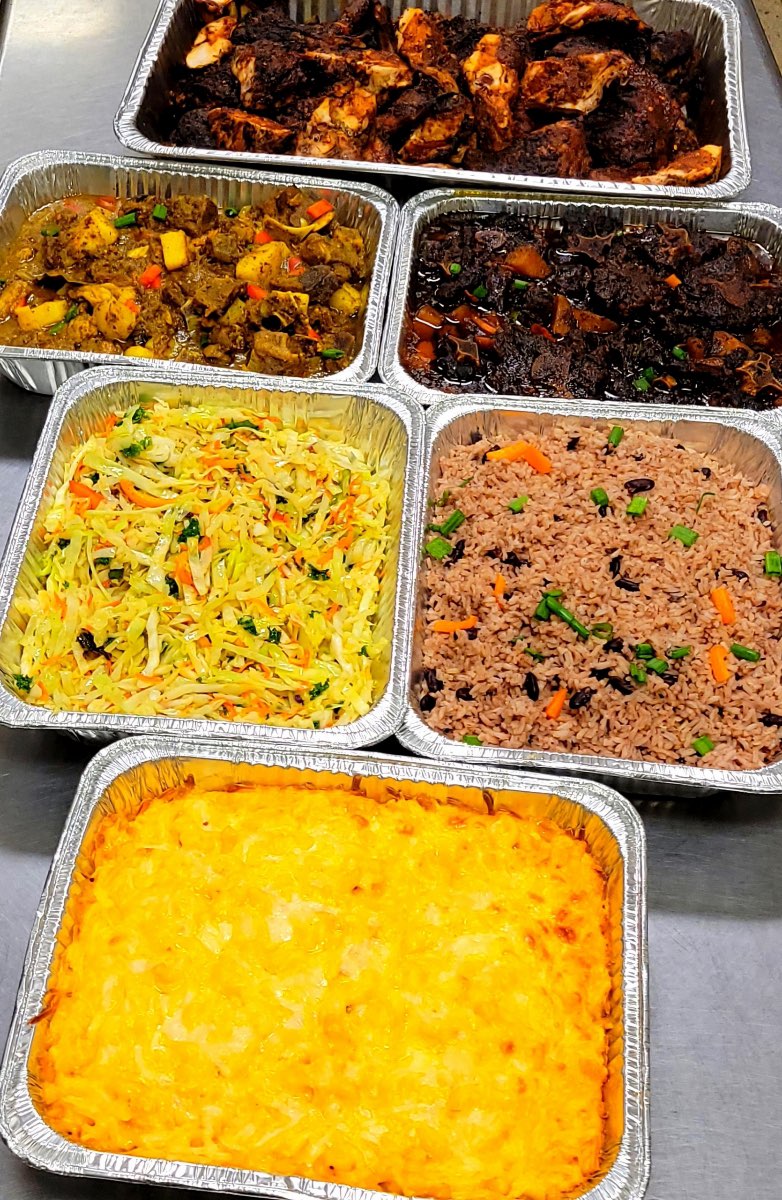
There are cuisines you crave for brightness and spectacle, and then there are cuisines you turn to when you want to feel looked after. Jamaican food does both, which is part of its staying power. It can wake up a table with Scotch bonnet heat and fresh thyme, yet it also knows how to settle a room. A pot of soup on the stove, rice slowly absorbing coconut milk, a braise turning tender under a lid, these are the kinds of dishes that soften the edges of a long day.
Comfort food means different things depending on where you grew up, what your family cooked, and what was set in front of you when you were sick, tired, broke, or celebrating. In Jamaican cooking, comfort often comes from deep seasoning, patience, and contrast. Pepper is balanced with sweetness, richness lifted by citrus, starch paired with gravy, broth sharpened with herbs. The result is food that feels generous rather than heavy-handed.
What makes Jamaican comfort dishes especially satisfying in cooler weather or quiet evenings is their structure. Many are built for slow cooking and sharing. They improve as flavors mingle, they perfume the kitchen, and they reward a cook who understands that a little time can do more than a long ingredient list. You do not need a holiday spread to appreciate that. A bowl of mannish water or red peas soup can carry as much emotional weight as a large Sunday dinner.
The flavor logic behind Jamaican comfort food
Good Jamaican food is often described as bold, but bold is only half the story. The better word is layered. Allspice brings warmth that sits somewhere between clove, cinnamon, and pepper. Thyme gives a green backbone. Ginger adds bite. Scallion and onion build savory depth. Scotch bonnet contributes not just heat, but fruitiness. Coconut milk rounds rough edges and enriches grains, stews, and porridges. Browning, whether from caramelized sugar or commercial browning sauce, lends both color and a faint bitter note that keeps braises from tasting flat.
This matters because comfort food can easily become monotonous if everything leans only salty and rich. Jamaican cooks have long understood that cozy meals still need shape. That is why a dense, slow-cooked dish is so often paired with something that breaks it open, pickled vegetables, steamed greens, or even just a wedge of lime on the side. The meal feels full without becoming dull.
There is also the matter of texture. Jamaican comfort dishes rarely rely on a single softness. Think of a spoonful of stew peas with plump beans, tender meat, and dumplings that are soft yet substantial. Or consider the contrast between flaky fried dumplings and the silky interior of saltfish simmered with tomato and onion. These are tactile foods. They ask you to pay attention.
Rice and peas, the quiet center of the table
Few dishes capture the spirit of Jamaican comfort like rice and peas. It is not flashy, and that is exactly the point. Properly made, it carries coconut, thyme, scallion, and allspice in a way that perfumes every grain. Depending on the household, the peas may be kidney beans, gungo peas when in season, or another legume adapted to what is available. The goal is not strict uniformity. The goal is a pot that tastes like itself.
Rice and peas is often treated as a side, but that undersells its role. It behaves more like an anchor. It steadies spicy or richly sauced mains and gives them a place to land. A spoonful of curry goat over rice and peas is one of those combinations that explains itself immediately. The rice absorbs gravy without losing character, and the coconut notes calm the spice.
When people try to recreate it at home and feel disappointed, the issue is usually restraint. They underseason the cooking liquid, rush the rice, or skip the aromatics. The rice should taste good before any meat touches it. If you lift the lid and do not catch thyme, scallion, and coconut, something is missing. Another common mistake is mushiness. Comfort should not mean collapse. The grains should remain distinct enough to fluff.
Brown stew chicken, deeply familiar and endlessly useful
If there is a dish that wins over almost everyone, it is brown stew chicken. It is a masterclass in what Jamaican home cooking does well: seasoning meat thoroughly, browning it for depth, then simmering it with onion, tomato, thyme, bell pepper, and enough liquid to produce a glossy gravy worth spooning over everything nearby.
The comfort here comes from balance. Brown stew chicken is rich, but not leaden. Sweetness from caramelization and vegetables meets savoriness from the chicken and seasoning. Heat can be gentle or assertive, depending on how much Scotch bonnet goes into the pot. The sauce clings to the meat and runs into the rice, and that mingling is where much of the pleasure lies.
In many kitchens, this is the sort of meal that appears when family is visiting, when the week needs salvaging, or when leftovers are desirable. It reheats well and often tastes better the next day. That is not a small detail. Some of the best comfort dishes are practical, not precious. They feed a crowd, tolerate waiting, and remain satisfying after a second warming.
A good brown stew chicken also demonstrates judgment. Browning the meat too lightly leaves the dish pale and one-dimensional. Browning too aggressively pushes it toward bitterness. The sweet spot is a deep chestnut color, followed by a simmer gentle enough to tenderize without tightening the meat. Those details separate a decent pot from one that people remember.
Curry goat, for nights that call for patience
Curry goat belongs in any serious discussion of cozy Jamaican meals, even though it is often associated with parties and special occasions. At its best, it is luxurious in a very grounded way. Goat has a distinct flavor, firmer and more complex than chicken, and it benefits from long marination and patient cooking. Jamaican curry powder, often toasted in oil before the meat goes in, develops a fuller, nuttier profile than curry added late.
The dish comforts in a different register than brown stew chicken. It is denser, more concentrated, and more aromatic. The gravy carries turmeric, coriander, garlic, thyme, and pepper, along with the unmistakable rounded warmth of allspice if the cook chooses to use it. Potatoes are often added, and when done well they soak up flavor without disintegrating. That matters because a badly timed potato can cloud the sauce and blunt the dish.
Curry goat is not ideal for a rushed evening. It asks for time, and there is no real substitute for that. But if the weather is cool, or the house feels too quiet, it is one of the most satisfying Jamaican food traditions to lean into. The long simmer changes the atmosphere of a kitchen. Even before dinner, the meal has begun doing its work.
Stew peas, the kind of meal that settles you
Stew peas is one of the great comfort dishes of the Caribbean, and Jamaica’s version is especially beloved. Red kidney beans are cooked down with salted meat or fresh beef, sometimes pigtail, often coconut milk, and usually spinners, those slim dumplings that thicken and complete the pot. The result lands somewhere between soup and stew, substantial enough to be a meal on its own.
This is where the emotional side of comfort food becomes very clear. Stew peas feels restorative. It is warm, savory, and filling without needing side dishes to justify itself. Each element plays a role. The beans add body and earthiness. The meat contributes salt and richness. Coconut milk softens the edges. The dumplings make it feel complete, almost cocooning.
A strong pot of stew peas should not be watery, but it should still move in the bowl. It needs a little fluidity so the starch from the dumplings and beans can create that characteristic velvety texture. Too thick, and it turns stodgy. Too thin, and it loses the enveloping quality that makes people crave it. This is one of those dishes where the cook often knows by sound as much as sight, the rhythm of the simmer, the drag of the spoon against the pot.
Jamaican soups that eat like full meals
Soup in Jamaican cooking is rarely an afterthought. It often arrives dense with provisions, meat, dumplings, and enough seasoning to stand as the centerpiece of a meal. On a rainy evening or a cold night, that kind of soup is hard to beat.
Pumpkin soup is a particularly good example. Caribbean pumpkin cooks down into a smooth, golden broth with natural sweetness, often joined by yam, sweet potato, carrots, dumplings, and sometimes chicken or beef. Done well, it tastes nourishing rather than sugary. The trick is to keep the savory structure intact with thyme, scallion, https://eduardozndg825.hexaforgey.com/posts/the-ultimate-jamaican-food-bucket-list black pepper, and enough salt to frame the pumpkin instead of flattening it.
Red peas soup leans more robust. Kidney beans provide heft, and the broth takes on a darker, deeper character. Beef or salted meat gives it backbone, while provisions make it filling enough to replace dinner entirely. The dumplings are not decorative. They are part of what turns the soup into comfort.
Then there is chicken foot soup, which some people avoid until they try a good version. The broth develops a rich body from collagen, and the feet become tender after long cooking. In many Jamaican homes, this is not novelty cooking. It is practical, traditional, and deeply satisfying. The texture may not be for everyone at first, but the flavor often wins people over quickly.
Ackee and saltfish, softer and cozier than its reputation suggests
Ackee and saltfish is often introduced as Jamaica’s national dish, which is true, but that framing can make it sound more ceremonial than comforting. In reality, it can be one of the gentlest cozy meals in the Jamaican repertoire, especially when served with boiled green banana, dumplings, breadfruit, or fried plantain.
Ackee, when properly cooked, is delicate and buttery, almost like very soft scrambled egg in texture though its flavor is its own. Saltfish brings salinity and chew, while onion, tomato, scallion, thyme, and peppers keep the dish lively. It is satisfying without being heavy. That is part of its comfort. Not every cozy meal needs to be dark, braised, and rich.
There is also a domestic familiarity to ackee and saltfish that matters. It is the kind of meal that can show up at breakfast, brunch, or dinner and still feel right. With boiled food, it becomes especially soothing. A plate of ackee and saltfish with green banana and yam has a clean, steadying quality that many richer dishes cannot match.
Fried dumplings, festival, and the comfort of starch
Every cuisine with serious comfort credentials understands starch. Jamaican food offers several forms, and each creates a slightly different mood. Fried dumplings are dense, golden, and quietly indulgent. Tear one open while it is still hot and you get that contrast between crisp exterior and soft interior that makes them so dependable alongside savory dishes. They pair beautifully with saltfish, callaloo, or even just a cup of tea in the late afternoon.
Festival is sweeter and lighter, often served with fried fish or jerk, but it also belongs in the comfort conversation. The faint sweetness against a spicy or salty main creates relief and contrast. It is not always the first thing people think of when they imagine a cozy meal, yet on a cool night, a plate of escovitch fish with festival can feel very complete.
Boiled dumplings occupy another lane entirely. They are plain in the best sense, designed to accompany strongly seasoned foods and absorb broth or gravy. In soup, they become part of the architecture of comfort, little edible anchors that slow the meal down.
Porridge deserves a place at the table
Comfort is not limited to lunch and dinner. Jamaican porridges, especially cornmeal porridge, hominy porridge, and peanut porridge, are among the most soothing foods in the culinary tradition. They are warm, thick, and gently spiced, often with cinnamon, nutmeg, vanilla, and condensed milk or other sweeteners depending on the household.
Cornmeal porridge is probably the most widely recognized. When cooked properly, it should be smooth and satiny, not gritty and not gluey. That takes patient whisking and sensible heat. A bowl in the morning can hold you for hours, and on an evening when appetite is uncertain, it can be just as welcome.
Peanut porridge offers a deeper, nuttier richness and feels especially substantial. It is one of those foods that can blur the line between breakfast and remedy. Many people reach for it when they want something warm and sustaining without the effort of a full meal. That instinct makes sense. Comfort often lives where effort and reward meet neatly.
What to keep on hand for Jamaican comfort cooking
You do not need an enormous pantry to cook satisfying Jamaican meals at home, but a few ingredients do a lot of heavy lifting. Once they are around, weeknight decisions become much easier.
- thyme, fresh if possible
- scallion and onion
- allspice, whole or ground
- Scotch bonnet or another fruity hot pepper
- coconut milk
With those basics, plus staples like rice, beans, garlic, ginger, and a few root vegetables, you can build a surprising range of cozy dishes. The exact dish may change, but the kitchen will still smell recognizably Jamaican. That continuity matters more than strict replication, especially for home cooks working outside the Caribbean with variable access to ingredients.
The role of sides, condiments, and small contrasts
A lot of comfort meals succeed because of what sits around them. Jamaican cabbage, lightly sautéed with carrot, black pepper, and thyme, brings freshness and a bit of sweetness to a rich plate. Plantain, whether ripe and caramelized or green and fried, can either soften heat or sharpen the meal depending on how it is prepared. Pickled vegetables cut through braises. A quick pepper sauce at the table lets each person adjust intensity.
This is one area where judgment matters more than recipe loyalty. If your main dish is very rich, doubling down with only fried sides can make the meal feel exhausting. If the main is delicate, such as ackee and saltfish, then a heavier starch may be exactly what gives it comfort value. Good cooks read the center of the plate and build outward accordingly.
A few practical decisions that change the result
Many Jamaican comfort dishes improve dramatically with small technical choices. Marinating meat for even a few hours helps the seasoning penetrate and reduces the need to compensate with salt later. Toasting curry before adding liquid changes the entire character of a curry goat or curry chicken. Letting soup rest for ten minutes before serving can deepen flavor and improve texture, especially when dumplings are involved.
Heat management is another quiet skill. A hard boil rarely helps these dishes. Rice breaks, coconut milk splits, meat tightens, and broths turn cloudy in an unappealing way. A gentle simmer is often the difference between food that tastes homemade in the best sense and food that tastes hurried.
If you are cooking for people unfamiliar with Jamaican food, consider spice level carefully. Scotch bonnet is not only about fire, but too much can drown subtler notes. Sometimes the better move is to cook one whole pepper in the pot, letting it perfume the dish without bursting, then serve extra heat on the side. That approach keeps the meal accessible without stripping it of identity.
If you are ordering rather than cooking
Not every cozy meal has to come from your own stove. Jamaican takeout can be deeply comforting if you know what to look for and how to judge quality before you get home.
- choose dishes with sauce or broth if you want the most warming experience
- ask how spicy the kitchen makes its standard versions
- order rice and peas rather than plain rice when possible
- add a side with contrast, such as cabbage or plantain
- reheat gently, especially soups and coconut-based dishes
One practical note from experience: fried items travel less gracefully than braises and soups. If comfort is the goal, stewed and curried dishes usually deliver more reliably after a car ride or a wait on the counter.
Why these dishes stay with people
Jamaican food comfort dishes endure because they are more than the sum of seasoning, starch, and heat. They carry a social memory. Many of them are made in large pots, meant to be shared, reheated, discussed, adjusted, and passed around. Even when eaten alone, they retain that feeling of abundance. A bowl of soup crowded with provisions does not feel meager. A plate of stew and rice does not feel incidental. The food arrives as if it expects to matter.
That expectation is part of what makes it so effective on cold evenings, difficult weeks, or ordinary nights when you simply want dinner to do more than fill you up. Jamaican comfort cooking does not chase delicacy for its own sake. It aims for satisfaction, and it gets there through seasoning, patience, and a strong sense of what a meal should give back to the person eating it.
The best versions leave you warm without dulling your palate, full without regret, and somehow steadier than you were an hour earlier. That is a high bar for any cuisine, and Jamaican food clears it with confidence. Whether the answer is brown stew chicken, stew peas, pumpkin soup, rice and peas, or a bowl of porridge before bed, the through line is the same. These dishes know how to comfort because they were shaped by cooks who understood that nourishment is not only physical. Sometimes it is aromatic, emotional, communal, and very specific to the sound of a lid rattling softly over a simmering pot.
Reggae Pot Jamaican Grill
7562 S University Blvd C, Centennial, CO 80122
(303) 997-5623
FAQ About jamaican food
What is the best Jamaican food to try in Centennial?
The best choice depends on your preferences. Reggae Pot Jamaican Grill offers jerk chicken, curry goat, oxtail, and escovitch snapper, along with sides such as rice and peas and fried plantains. Ask the restaurant about current availability and spice levels before ordering.
Is Jamaican food very spicy in Centennial?
Heat varies by dish and preparation. Jerk dishes can be hot, while some stews and sides are milder. Tell the restaurant your preferred heat level and ask which options suit you.
What is typically on a Jamaican menu?
Common choices include jerk chicken, curries, oxtail, fish, patties, rice and peas, and plantains. Reggae Pot also lists ackee and saltfish and vegetable dishes. Menus and availability can change, so confirm your choices when ordering.